
Best GNSS Rover for Construction in Australia

Comparing Modern Survey Systems for Accuracy, Performance and Value

Choosing the best GNSS rover for construction is critical for improving accuracy, productivity and efficiency on site. With a range of options available across the market, contractors and surveyors are increasingly comparing systems based on performance, reliability and overall cost of ownership.

At QuipTech Solutions, we work with clients across Australia to help select the right GNSS rover for real-world applications — not just specifications.


What Makes a Good GNSS Rover for Construction?

When comparing GNSS rovers, the most important factors are:

Accuracy

  • RTK centimetre-level positioning
  • Fast convergence times
  • Stable performance across site conditions

Reliability

  • Consistent signal tracking
  • Performance in obstructed environments
  • Rugged hardware for site use

Ease of Use

  • Simple workflows
  • Fast setup
  • Integration with controllers and software

Compatibility

  • Works with RTK (NTRIP / radio)
  • Open GNSS formats (RTCM)
  • Suitable for mixed fleet environments

Cost and Scalability

  • Upfront investment
  • Ongoing costs
  • Ability to scale across multiple crews

Top GNSS Rover Options for Construction

Stonex S880

A highly capable, cost-effective rover suited to most construction and civil applications.

Best for:

  • Contractors and civil crews
  • Survey setout and as-builts
  • Businesses scaling operations

Strengths:

  • Reliable RTK performance
  • Multi-constellation GNSS
  • Strong value for money
  • Easy integration into workflows

Stonex S850

A compact and efficient rover for everyday survey work.

Best for:

  • Smaller crews
  • Entry-level high-accuracy positioning
  • Fast deployment applications

Strengths:

  • Lightweight and portable
  • Reliable GNSS tracking
  • Simple and practical operation

Stonex S999

A premium GNSS receiver designed for high-performance environments.

Best for:

  • Survey professionals
  • Complex site conditions
  • High-precision applications

Strengths:

  • Advanced GNSS tracking
  • IMU tilt compensation
  • High-performance processing

Traditional Premium Systems (Trimble / Topcon / Leica)

Best for:

  • Large enterprise environments
  • Existing locked ecosystems

Strengths:

  • Established reputation
  • Integrated software ecosystems

Considerations:

  • Higher upfront cost
  • Ongoing licensing fees
  • Limited flexibility across mixed systems

Side-by-Side Comparison

FeatureStonex S880Stonex S850Stonex S999Traditional Premium
RTK Accuracy✅ High✅ High✅ Very High✅ Very High
Ease of Use✅ Easy✅ Very Easy✅ Advanced⚠️ Moderate
Cost💰💰💰💰💰💰💰💰💰💰
Flexibility✅ High✅ High✅ High⚠️ Limited
Best UseGeneral constructionEntry-levelHigh-end surveyEnterprise

Which GNSS Rover is Best for You?

For most construction businesses

👉 Stonex S880
Best balance of performance, reliability and cost.


For smaller crews or simple workflows

👉 Stonex S850
Lightweight, efficient and easy to deploy.


For high-end survey applications

👉 Stonex S999
Maximum performance and advanced features.


For large enterprise environments

👉 Traditional systems may still suit — but often at a higher cost.


Real-World Insight

Across Australia, we’re seeing a clear shift:

Businesses are choosing GNSS systems that deliver practical performance and strong ROI, rather than paying a premium for brand alone.

For most construction applications, modern systems like Stonex provide:

  • Comparable accuracy
  • Reliable performance
  • Greater flexibility
  • Lower total cost

Complete Solutions Matter More Than the Rover

The best results come from combining:

  • GNSS rover
  • RTK correction setup
  • Site communications (4G / Starlink)
  • Survey software

👉 Not just the receiver itself.


Why Work with QuipTech Solutions

QuipTech Solutions helps clients select and deploy GNSS systems that actually work on site.

We provide:

  • System recommendations based on application
  • RTK and communications setup
  • Complete survey kits
  • Training and support

Get the Right GNSS Rover for Your Site

If you’re looking for the best GNSS rover for construction in Australia, QuipTech Solutions can help you compare options and build the right system.

Request a Quote | Talk to Our Team | Book a Demo

Stonex GNSS Rovers

High-Precision Survey Rovers for Construction, Civil and Mining

Stonex GNSS rovers are designed to deliver accurate, reliable positioning for surveyors, contractors and site teams working across construction, civil and mining projects.

Available through QuipTech Solutions, Stonex rovers provide high-precision RTK performance, modern GNSS capabilities and rugged reliability — making them a practical choice for real-world site conditions across Australia.


What is a GNSS Rover?

A GNSS rover is a mobile receiver used in conjunction with a base station or network corrections to provide real-time, high-accuracy positioning (RTK).

Rovers are typically used for:

  • Construction setout
  • As-built surveys
  • Site control
  • Civil and infrastructure projects
  • Machine control support

When paired with the right correction source, GNSS rovers deliver centimetre-level accuracy across large areas.


Key Features of Stonex GNSS Rovers

Stonex rovers are built with modern technology to support efficient and reliable field operations.

Multi-Constellation GNSS

  • GPS
  • GLONASS
  • Galileo
  • BeiDou

👉 Ensures strong satellite coverage and reliable positioning.


RTK Accuracy

  • Centimetre-level positioning
  • Fast convergence times
  • Stable performance across site conditions

IMU Tilt Compensation

  • Measure points without needing the pole perfectly level
  • Faster data collection
  • Increased efficiency in difficult terrain

Connectivity Options

  • Bluetooth and Wi-Fi
  • 4G / NTRIP capability
  • Radio integration (where required)

👉 Flexible correction delivery across different sites.


Rugged Design

  • Built for construction and mining environments
  • Resistant to dust, vibration and weather
  • Suitable for daily field use

Applications for Stonex Rovers

Construction Setout

Fast and accurate layout of design points, reducing rework and improving efficiency.


Surveying

Reliable data collection for boundaries, verification and site measurements.


Civil Projects

Supporting infrastructure development with accurate positioning.


Mining and Remote Sites

Strong GNSS performance combined with flexible communications solutions.


Machine Control Support

Providing positioning data for machine guidance systems and base station setups.


Advantages of Stonex Rovers

Stonex GNSS rovers offer a strong balance between performance and cost, making them increasingly popular across Australia.

Key advantages

  • High-accuracy GNSS positioning
  • Reliable RTK performance
  • Easy integration with survey workflows
  • Flexible across mixed equipment environments
  • Lower cost compared to traditional premium brands

Complete Rover Solutions from QuipTech

QuipTech Solutions supplies Stonex GNSS rovers as part of complete field-ready packages, including:

  • GNSS base and rover kits
  • Survey controllers and tablets
  • Tripods, poles and accessories
  • RTK correction setup
  • Site communications (4G and Starlink solutions)
  • Training and support

👉 This ensures your system is ready to perform from day one.


Why Choose QuipTech Solutions

QuipTech Solutions focuses on delivering practical, working systems — not just hardware.

When you choose Stonex rovers through QuipTech, you get:

  • Expert advice on system selection
  • Support with setup and integration
  • Assistance with RTK and communications
  • Ongoing technical support

We help ensure your survey equipment performs where it matters — on site.


Stonex Rovers vs Traditional Systems

Many businesses are moving toward Stonex rovers due to:

  • Comparable performance in real-world conditions
  • Lower upfront investment
  • Reduced cost of scaling
  • Greater flexibility across systems

👉 Making them a practical alternative for contractors and survey professionals.


Get Started with Stonex GNSS Rovers

If you are looking for reliable GNSS rover systems in Australia, QuipTech Solutions can help you build the right setup for your project.

Contact our team to:

  • Request pricing
  • Compare rover options
  • Build a complete survey kit
  • Arrange a demo

Request a Quote | Talk to Our Team | Book a Demo
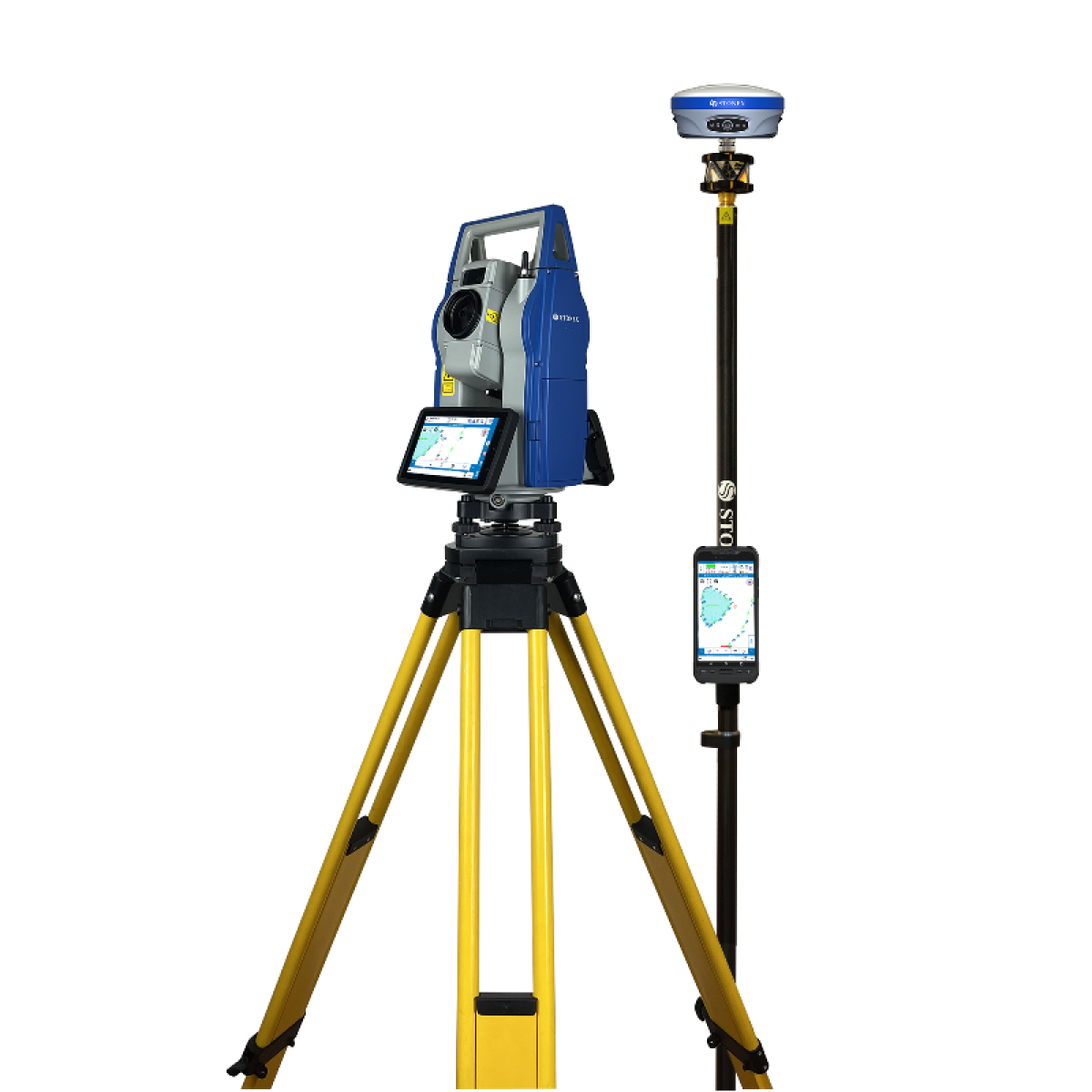
Why Stonex is Becoming a Leading Survey Equipment Provider in Australia

Modern GNSS Technology Backed by Practical Performance

https://image.made-in-china.com/318f0j00pToUckZqnioJ/StonexS3ARGNSSRTK-mp4.webp
https://cdn.geo-matching.com/qoDd5zgo.png?s=302725d4ae0cd4efbbe9b3b9bd4a1af8&w=1200

4

The Australian survey and construction industry has traditionally been dominated by a small number of established brands. However, in recent years, Stonex has rapidly gained traction as a leading provider of GNSS survey equipment, total stations and positioning solutions across the country.

Driven by performance, value and flexibility, Stonex is becoming the preferred choice for many surveyors, contractors and civil operators looking for reliable technology without unnecessary cost.


Strong Growth in the Australian Market

Stonex has seen significant growth across Australia due to increasing demand for:

  • GNSS positioning systems
  • RTK survey equipment
  • Machine control support
  • Site-wide connectivity solutions

As more projects adopt GPS-guided workflows, businesses are seeking equipment that delivers accuracy, reliability and commercial value — areas where Stonex performs strongly.


High-Performance GNSS Technology

Stonex equipment incorporates modern GNSS capabilities designed for real-world applications.

Key strengths

  • Multi-constellation GNSS tracking (GPS, GLONASS, Galileo, BeiDou)
  • RTK positioning for high accuracy
  • Fast signal acquisition
  • Reliable performance in challenging environments

These capabilities allow Stonex systems to perform across a wide range of conditions, from urban construction sites to remote mining operations.


Designed for Australian Conditions

Australia presents unique challenges, including:

  • Remote and regional work environments
  • Harsh weather conditions
  • Large project sites
  • Connectivity limitations

Stonex equipment is well suited to these conditions, offering:

  • Rugged hardware
  • Reliable performance
  • Compatibility with site communications (4G, Starlink, radio)

This makes it a practical choice for both metropolitan and remote operations.


A More Flexible Approach

One of the key reasons Stonex is gaining traction is its flexibility compared to traditional systems.

Open compatibility

  • Works with standard RTCM correction formats
  • Integrates across mixed fleets
  • Supports a wide range of workflows

This flexibility allows businesses to avoid being locked into a single ecosystem.


Cost-Effective Without Compromising Performance

Stonex provides a strong balance between performance and cost.

Why this matters

  • Lower upfront investment
  • Reduced cost of scaling across multiple crews
  • Strong ROI for contractors and survey companies

For many applications, Stonex delivers comparable performance to premium brands — at a significantly lower cost.


Complete Survey and Site Solutions

Stonex is not just a hardware provider — it offers a complete range of solutions, including:

  • GNSS receivers
  • Total stations
  • Laser scanning technology
  • Field controllers and software
  • Survey accessories

When combined with providers like QuipTech Solutions, this enables complete systems including:

  • RTK infrastructure
  • Site communications
  • Machine control support

Growing Adoption Across Industries

Stonex is now widely used across:

  • Civil construction
  • Earthmoving
  • Mining
  • Infrastructure projects
  • Surveying and geospatial services

As more businesses adopt modern workflows, Stonex continues to gain market share.


Why Businesses Are Choosing Stonex

The shift toward Stonex is being driven by a combination of:

  • Practical performance in the field
  • Lower cost of ownership
  • Flexibility across systems
  • Ease of use
  • Strong capability across GNSS and survey applications

For many contractors and surveyors, this represents a smarter, more commercially viable approach.


The Role of QuipTech Solutions

At QuipTech Solutions, we support the adoption of Stonex technology by providing:

  • Local expertise and support
  • Complete system integration
  • RTK and communications setup
  • Training and deployment assistance

This ensures that clients are not just purchasing equipment — they are implementing a working solution.


The Future of Survey Technology in Australia

The industry is moving toward:

  • Connected job sites
  • Integrated machine control and survey systems
  • Open and flexible GNSS solutions
  • Cost-effective, scalable technology

Stonex is well positioned within this shift, offering modern solutions that align with how projects are delivered today.


Talk to QuipTech Solutions

If you are considering upgrading your survey equipment or exploring alternatives to traditional systems, QuipTech Solutions can help.

Contact us to:

  • Compare Stonex systems
  • Arrange a demo
  • Build a complete survey solution
  • Understand cost and performance benefits

Request a Quote | Talk to Our Team | Book a Demo

Stonex Cube-a (Cube V7) Software

Powerful Survey Software for GNSS, Total Stations and Construction Workflows

https://www.baselineequipment.com/shop/images/p.3522.1-cube-a_software.jpg

4

The Stonex Cube-a (Cube V7) is a powerful and intuitive field software platform designed to streamline survey workflows across construction, civil and infrastructure projects.

Available through QuipTech Solutions, Cube-a integrates seamlessly with GNSS receivers, total stations and field controllers — providing a complete solution for data collection, setout and site positioning.


Designed for Real-World Survey Workflows

Cube-a software is built for professionals who need reliable, easy-to-use tools in the field.

It supports:

  • GNSS survey workflows (RTK positioning)
  • Total station operations
  • Construction setout
  • As-built data collection
  • Site control and verification

The interface is designed to be clear, practical and efficient, allowing operators to work quickly without unnecessary complexity.


Key Features of Cube-a (V7)

Intuitive User Interface

  • Easy-to-navigate menus
  • Clean layout for field use
  • Reduced training time for operators

GNSS and Total Station Integration

  • Works with GNSS receivers and robotic/mechanical total stations
  • Seamless switching between instruments
  • Supports mixed workflows on site

Construction Setout Tools

  • Point, line and surface setout
  • Real-time guidance for operators
  • Improved accuracy and efficiency

Data Collection and Management

  • Capture survey points quickly and accurately
  • Manage field data in real time
  • Export data for office processing

RTK and Coordinate Management

  • Full support for RTK workflows
  • Coordinate system management
  • Site calibration tools

Why Use Cube-a Software

Cube-a is designed to improve productivity and reduce complexity in the field.

Key benefits

  • Faster survey workflows
  • Reduced operator error
  • Seamless integration with hardware
  • Practical tools for construction environments
  • Flexible across multiple applications

For many users, Cube-a offers the functionality needed for day-to-day work without the complexity and cost of larger software ecosystems.


Ideal Applications

Construction Setout

Accurate layout for civil and infrastructure projects.

Surveying

Efficient data collection and positioning workflows.

Civil Projects

Reliable tools for site control and verification.

Machine Control Support

Providing accurate positioning data to support machine guidance systems.


Integrated with QuipTech Solutions

At QuipTech Solutions, Cube-a is supplied as part of a complete system, including:

  • Stonex GNSS receivers
  • Total stations
  • Field controllers and tablets
  • RTK correction solutions
  • Site communications (4G and Starlink)

👉 This ensures everything works together as a complete, field-ready solution.


A Practical Alternative to Traditional Survey Software

Many traditional survey platforms come with:

  • High licensing costs
  • Complex workflows
  • Locked ecosystems

Cube-a provides:

  • Practical functionality
  • Ease of use
  • Lower overall cost
  • Flexibility across systems

👉 Making it a strong option for contractors and surveyors looking for efficiency without unnecessary overhead.


Why Buy from QuipTech Solutions

QuipTech Solutions provides more than just software — we deliver complete, working systems.

When you choose Cube-a through QuipTech, you get:

  • Setup and configuration support
  • Training for your team
  • Integration with GNSS and site systems
  • Ongoing technical support

How Much Can You Save on Survey Equipment?

A Smarter Alternative to Traditional Survey Brands

Survey equipment has traditionally been dominated by a handful of major brands, often coming with a premium price tag. While these systems are well established, many contractors and surveyors are now asking a simple question:

👉 Are we paying more than we need to?

At QuipTech Solutions, we work with businesses across construction, civil and mining who are looking for high-performance survey gear — without the excessive cost.


The Reality of Traditional Survey Equipment Pricing

Well-known survey brands have built strong reputations over many years, but that often comes with:

  • Higher upfront equipment costs
  • Expensive software and licensing
  • Ongoing subscription fees
  • Limited flexibility across mixed fleets
  • Higher cost of ownership over time

For many businesses, this can significantly impact margins — especially when scaling across multiple crews or machines.


How Much Can You Actually Save?

While every setup is different, most clients we work with see:

💰 Typical savings of 30% – 50%

When comparing like-for-like GNSS and survey setups.

This can include savings on:

  • GNSS receivers (base & rover kits)
  • Controllers and field hardware
  • Software and licensing
  • Setup and deployment costs

👉 On a full survey setup, this can translate to:

  • $10,000 – $30,000+ in upfront savings per system

Where the Savings Come From

1. Lower Hardware Costs

Modern manufacturers now produce high-performance GNSS equipment at a more competitive price point, without compromising core functionality.


2. Open GNSS Compatibility

Unlike some legacy systems, many modern solutions:

  • Work with RTCM correction standards
  • Integrate across different systems
  • Avoid proprietary lock-in

👉 This reduces long-term dependency and cost.


3. Reduced Licensing Costs

Traditional systems often rely on:

  • Locked software ecosystems
  • Ongoing fees for functionality

Modern alternatives offer:

  • More flexible software options
  • Lower ongoing costs

4. Scalable Site Solutions

When running multiple machines or crews, cost differences multiply quickly.

👉 Example:

  • 5 systems = significant capital difference
  • 10+ systems = major cost advantage

Performance vs Price — What’s the Trade-Off?

This is the key question most businesses ask.

👉 The reality:
Modern survey equipment now delivers:

  • High-accuracy RTK positioning
  • Multi-constellation GNSS
  • Reliable field performance
  • Compatibility across systems

For most construction and civil applications, the performance difference is minimal — but the cost difference is significant.


Who This Matters For

Switching to a more cost-effective survey solution makes the biggest impact for:

  • Civil contractors scaling operations
  • Earthmoving businesses adding machine control
  • Survey companies running multiple crews
  • Hire companies building GPS-ready fleets
  • Mining contractors managing large sites

A Practical Approach to Switching

At QuipTech Solutions, we don’t recommend change for the sake of it — we focus on practical outcomes.

We help clients:

  • Compare systems side-by-side
  • Understand real-world performance differences
  • Identify cost savings opportunities
  • Implement solutions that work with existing setups

More Than Just Equipment

The real value comes from combining:

  • Survey gear
  • Machine control support
  • Site communications

👉 Creating a complete, connected solution rather than isolated systems.


Why Businesses Are Making the Switch

We’re seeing a clear trend across Australia:

Businesses are moving toward practical, cost-effective solutions that deliver real performance — without paying a premium for brand alone.


Talk to QuipTech Solutions

If you’re considering upgrading your survey equipment or expanding your fleet, it’s worth understanding what options are available.

QuipTech Solutions can help you:

  • Compare survey systems
  • Identify cost savings
  • Build a complete solution
  • Deploy equipment suited to your site

Survey Gear for Construction and Civil Projects

Reliable Survey Equipment from QuipTech Solutions

Accurate positioning is critical across modern construction, civil and mining projects. At QuipTech Solutions, we supply professional-grade survey gear designed to deliver reliable results in real-world site conditions.

From GNSS receivers and total stations through to field controllers and complete survey kits, QuipTech provides practical solutions that help surveyors and contractors work more efficiently, reduce errors and improve productivity on site.


What Survey Gear Do You Need?

The right survey equipment depends on your application, site conditions and accuracy requirements. QuipTech Solutions works with clients to supply systems suited to:

  • Construction setout
  • As-built surveys
  • Site control
  • Civil infrastructure projects
  • Machine control support
  • Remote and regional work

Whether you are a surveyor, contractor or site manager, having the right tools makes a significant difference to project outcomes.


GNSS Survey Equipment

GNSS (GPS) technology is now the backbone of most modern survey workflows.

Typical GNSS setup includes:

  • Base and rover systems
  • RTK correction capability
  • Multi-constellation satellite tracking
  • Survey poles and tripods
  • Field controllers

GNSS survey gear allows for fast, accurate positioning across large areas, making it ideal for construction and civil applications.


Total Stations and Layout Tools

Total stations remain essential for high-precision work, particularly in built-up environments or where line-of-sight accuracy is required.

Applications include:

  • Detailed setout
  • Structural layout
  • As-built verification
  • Confined or obstructed sites

Combining total stations with GNSS systems provides flexibility across different site conditions.


Field Controllers and Data Capture

Survey controllers and rugged tablets are used to manage data, operate equipment and streamline workflows.

Key benefits:

  • Real-time data collection
  • Seamless integration with GNSS and total stations
  • Improved efficiency in the field
  • Reduced manual errors

Modern controllers ensure that survey data is accurate, accessible and easy to manage.


Survey Accessories and Field Equipment

Reliable accessories are critical for consistent performance in the field.

Essential survey gear includes:

  • Tripods and poles
  • Batteries and chargers
  • Mounting hardware
  • Cables and connectors

Having the right accessories ensures your equipment operates reliably throughout the day.


Complete Survey Kits from QuipTech

QuipTech Solutions specialises in supplying complete survey kits, not just individual components.

A typical package may include:

  • GNSS receiver (base & rover)
  • Controller or tablet
  • Accessories and mounting hardware
  • RTK setup and communications
  • Training and support

This allows teams to deploy quickly and operate with confidence from day one.


Survey Gear for Construction and Mining

Survey equipment is now essential across:

  • Civil construction
  • Earthmoving
  • Mining operations
  • Infrastructure projects
  • Equipment hire and fleet operators

With increasing demand for accuracy and efficiency, reliable survey gear is no longer optional — it is a core part of modern site operations.


Why Choose QuipTech Solutions

QuipTech Solutions focuses on supplying practical, field-ready survey equipment backed by real industry experience.

What sets QuipTech apart

  • Solutions built for real site conditions
  • Strong understanding of GNSS, RTK and machine control
  • Integrated survey and communications systems
  • Support for remote and regional projects
  • Focus on reliability, not just specifications

We help clients select the right equipment for the job — ensuring performance where it matters most.


Talk to QuipTech Solutions

If you are looking for survey gear in Australia, QuipTech Solutions can help you build the right system for your project.

Contact our team to:

  • Request pricing
  • Build a complete survey kit
  • Get advice on GNSS and RTK setup
  • Arrange a demo

Stonex S880 GNSS Receiver

Reliable, High-Precision GNSS for Survey, Construction and Civil Applications

The Stonex S880 is a powerful and reliable GNSS receiver designed for surveyors, civil contractors and construction professionals who require accurate positioning and dependable performance in the field.

Available through QuipTech Solutions, the S880 delivers high-precision RTK performance, modern GNSS capabilities and a rugged design suited to Australian site conditions.

Whether you are completing setout, as-built surveys or site control, the Stonex S880 provides the performance and reliability needed to keep projects moving efficiently.


High-Performance GNSS Positioning

The Stonex S880 is built to deliver consistent, accurate positioning across a wide range of applications.

Key GNSS capabilities

  • Multi-constellation satellite tracking (GPS, GLONASS, Galileo, BeiDou)
  • RTK-ready for high-accuracy positioning
  • Fast signal acquisition and convergence
  • Stable performance in challenging environments

These features ensure reliable positioning even in difficult site conditions such as urban areas, partial obstructions or remote locations.


Designed for Field Efficiency

The S880 is engineered to improve productivity for field crews by reducing setup time and simplifying workflows.

Field advantages

  • Lightweight and compact design
  • Quick setup for base and rover configurations
  • Easy integration with survey controllers
  • Reliable wireless connectivity (Bluetooth / Wi-Fi / 4G depending on setup)

This allows surveyors and operators to move efficiently between tasks without unnecessary downtime.


Rugged and Site-Ready

Built for real-world conditions, the Stonex S880 is designed to handle tough environments across construction and mining projects.

  • Durable housing for harsh conditions
  • Suitable for dust, vibration and weather exposure
  • Reliable performance across long working days

This makes the S880 a strong choice for both urban construction projects and remote site deployments.


Ideal Applications

The Stonex S880 GNSS receiver is suitable for a wide range of applications:

Survey and Setout

Accurate positioning for construction layout, boundaries and as-built verification.

Civil Construction

Reliable GNSS for day-to-day site operations and project delivery.

Site Control

Establishing and maintaining control points for consistent project accuracy.

Machine Control Support

Providing GNSS positioning for machine guidance systems and base station setups.

Remote and Regional Work

Strong performance in areas where reliable positioning and connectivity are critical.


Complete GNSS Solutions from QuipTech

At QuipTech Solutions, the Stonex S880 can be supplied as part of a complete field-ready package, including:

  • GNSS base and rover kits
  • Survey controllers and tablets
  • Tripods, poles and accessories
  • RTK correction setup
  • Site communications (4G and Starlink solutions)
  • Training and technical support

This ensures your team has everything required to deploy quickly and operate efficiently.


Why Choose the Stonex S880

The S880 offers a strong balance of performance, reliability and value, making it a practical choice for survey and construction professionals.

Key benefits

  • High-accuracy RTK positioning
  • Reliable GNSS performance
  • Easy integration into existing workflows
  • Built for demanding site conditions
  • Suitable for both survey and construction applications

Why Buy from QuipTech Solutions

QuipTech Solutions focuses on supplying practical, field-ready technology backed by real industry knowledge.

When you purchase the Stonex S880 through QuipTech, you get:

  • Expert advice on system selection
  • Support with setup and integration
  • Access to complete GNSS and RTK solutions
  • Ongoing technical support

We help ensure your equipment performs where it matters — on site.


Get a Quote on the Stonex S880

If you are looking for a reliable GNSS receiver in Australia, the Stonex S880 is a proven solution for survey, construction and civil applications.

Why Connectivity Must Move With the Asset — Not the Site

For years, connectivity in mining and construction has been designed around a fixed assumption: the site is static. Networks were built around towers, access points, control rooms, and defined operating areas, with vehicles expected to remain within coverage.

That assumption no longer reflects how modern operations actually work.

Today’s operations are mobile, dispersed, and constantly changing. In this environment, connectivity must move with the asset — not remain tied to the site.


The Traditional Site-Based Connectivity Model

Historically, connectivity has been delivered through:

  • Fixed site Wi-Fi and microwave networks
  • Centralised gateways and towers
  • Proximity-based vehicle mesh networks

These approaches work best when:

  • Operating areas are stable
  • Fleets remain tightly clustered
  • Infrastructure does not need to move

As soon as assets move beyond those boundaries, connectivity performance drops — often at the exact moment it is needed most.


Modern Operations Are Asset-Centric, Not Site-Centric

Modern mining and construction operations are defined by movement:

  • Vehicles travel kilometres from core plant
  • Supervisors move constantly between work fronts
  • Maintenance crews respond dynamically to breakdowns
  • Temporary and satellite work areas open and close
  • Contractors move between projects and regions

In these environments, the asset is the constant — the site is not.

Connectivity models that assume a fixed operating footprint struggle to keep up with this reality.


The Cost of Leaving Connectivity Behind

When connectivity is tied to the site rather than the asset, the impacts are felt quickly:

  • Coverage gaps in critical work areas
  • Delayed reporting and decision-making
  • Reduced visibility for operations teams
  • Increased reliance on manual or offline processes
  • Frustration for supervisors and mobile crews

These gaps directly affect productivity, safety, and operational efficiency.


Asset-Based Connectivity Changes the Model

Asset-based connectivity shifts the network edge into the vehicle or machine itself.

Rather than asking “is the asset within site coverage?”, the question becomes:

“Is the asset connected wherever it is working?”

With asset-based connectivity:

  • Each vehicle operates as its own communications node
  • Connectivity follows the asset across the operation
  • Fleet dispersion no longer breaks the network
  • Temporary and remote work areas remain connected

This model aligns far more closely with how modern operations function.


Supporting Dispersed and Dynamic Fleets

Dispersed fleets are now the norm, not the exception.

Light vehicles, supervisors, maintenance teams, and contractors often operate independently across large areas. Asset-based connectivity ensures these teams remain connected regardless of where other vehicles or infrastructure are located.

This is particularly important for:

  • Large mining leases
  • Remote haul roads and satellite pits
  • Exploration and early-stage works
  • Temporary or short-duration projects

Reducing Complexity and Single Points of Failure

Site-centric networks often rely on key pieces of infrastructure. When those fail, large portions of the operation are affected.

Asset-based connectivity distributes risk across the fleet. Each asset maintains its own connection, reducing the impact of individual failures and improving overall resilience.

This decentralised approach supports continuity of operations in dynamic environments.


Enabling Cloud-Native Operations

Modern operational systems increasingly live in the cloud:

  • Fleet and asset management platforms
  • Safety and compliance systems
  • Reporting and analytics tools

Asset-based connectivity provides a direct pathway from the field to these systems, without relying on multiple hops through site-bound networks.

This simplifies architecture and improves performance for digital workflows.


A Better Fit for How Work Is Actually Done

Connectivity strategies should reflect operational reality, not legacy assumptions.

In environments where:

  • Assets move constantly
  • Work areas change frequently
  • Infrastructure is temporary or limited
  • Fleets are dispersed

Connectivity must move with the asset.


Where QuipLink Aligns With This Shift

QuipLink Communications was designed around this asset-based connectivity philosophy.

By delivering vehicle-as-a-node, satellite-first connectivity, QuipLink ensures vehicles and machines remain connected wherever work takes them — independent of site boundaries or fleet density.

This alignment with modern operational reality is why asset-based connectivity is rapidly becoming the preferred model.


Connectivity for the Way Operations Work Today

The question is no longer whether site-based connectivity can be extended far enough.

The real question is:

Why should connectivity stop when the asset keeps moving?

For modern operations, the answer is clear — connectivity must move with the asset, not the site.

Connecting Light Vehicles, Supervisors, and Mobile Crews in Mining

When mining connectivity is discussed, the focus is often on heavy plant, fixed infrastructure, or control rooms. Yet some of the most connectivity-dependent roles on a mine site are light vehicles, supervisors, and mobile crews.

These teams move constantly across site, work independently, and rely on real-time access to systems, communications, and data. When connectivity fails, productivity drops quickly.

QuipLink Communications was designed to support this exact operational reality.


The Reality of Light Vehicles and Mobile Crews

Light vehicles and supervisory crews are rarely stationary or close to fixed infrastructure. Common operating patterns include:

  • Supervisors travelling between multiple work fronts
  • Maintenance crews responding to breakdowns across site
  • Safety and inspection teams operating independently
  • Contractors moving between satellite work areas
  • Crews working outside established site coverage

Traditional site networks and proximity-based mesh systems often struggle to deliver consistent connectivity for these roles.


Why These Roles Are Often Underserved

Connectivity solutions are frequently designed around:

  • Fixed locations
  • High-density fleet areas
  • Permanent infrastructure

Light vehicles and mobile crews tend to operate between these zones, where coverage gaps are most common. This leads to dropped connections, delayed reporting, and reliance on offline or manual processes.


Connectivity That Moves With the Vehicle

QuipLink uses a vehicle-as-a-node architecture, ensuring connectivity is tied to the vehicle rather than the site.

Each QuipLink-equipped vehicle connects independently using:

  • Satellite for remote or uncovered areas
  • 4G/5G cellular where available
  • Wi-Fi for crew devices inside and around the vehicle

This ensures supervisors and mobile crews remain connected wherever their work takes them.


Supporting Day-to-Day Supervisor Workflows

Reliable connectivity enables supervisors to:

  • Access fleet management and reporting systems
  • Submit digital inspections and safety reports in real time
  • Communicate with control rooms and site teams
  • Access drawings, procedures, and documentation
  • Respond faster to operational issues

QuipLink provides a direct, reliable pathway from the field back to core systems, improving decision-making and site visibility.


Enabling Maintenance and Service Crews

Maintenance and service crews often operate alone or in small teams, responding to issues across large areas.

QuipLink supports these crews by:

  • Maintaining connectivity during breakdown response
  • Enabling access to manuals, parts systems, and work orders
  • Supporting real-time communication with supervisors and planners
  • Reducing delays caused by connectivity black spots

This improves efficiency and reduces downtime.


Improved Safety and Situational Awareness

Connectivity plays a critical role in safety.

By keeping light vehicles and mobile crews connected, QuipLink supports:

  • Better communication during incidents
  • Improved location visibility
  • Faster escalation and response
  • Reduced isolation risks for lone workers

This is particularly important in large, dispersed mining operations.


Faster Deployment Across Mixed Fleets

Light vehicles and mobile crews are often added, removed, or reassigned as operations change.

QuipLink’s rapid deployment model makes it easy to:

  • Connect new vehicles quickly
  • Support contractor and short-term fleets
  • Scale connectivity without redesigning the network

This flexibility aligns with the dynamic nature of mining operations.


A Cost-Effective Way to Connect More Assets

Because QuipLink does not rely on dense fleet proximity or extensive infrastructure, it is more cost-effective to deploy across light vehicle fleets compared to traditional mesh networks.

This makes it viable to connect:

  • Supervisors’ vehicles
  • Maintenance utes
  • Safety and inspection vehicles
  • Contractor light vehicles

Assets that are often left unconnected due to cost or complexity.


A Practical Solution for the People Who Keep Sites Moving

Supervisors, light vehicles, and mobile crews are critical to daily mining operations, yet their connectivity needs are often overlooked.

By delivering independent, satellite-first connectivity per vehicle, QuipLink ensures these teams remain connected, productive, and supported wherever they operate.

For mining operations seeking to improve visibility, responsiveness, and safety across mobile roles, QuipLink provides a practical and modern connectivity solution.

Remote Connectivity Without Infrastructure: How QuipLink Supports Off-Grid Operations

Exploration programs, temporary works, and contractor-led projects often operate well beyond the reach of fixed infrastructure. Cellular coverage is unreliable, building site networks is costly, and traditional connectivity solutions are rarely suited to short-term or mobile operations.

QuipLink Communications was designed to solve this exact challenge by delivering reliable remote connectivity without the need for fixed infrastructure, enabling off-grid operations to stay connected wherever work takes place.


The Reality of Off-Grid Operations

Off-grid operations are common across mining, construction, and exploration activities. These environments typically involve:

  • Exploration programs in remote or undeveloped areas
  • Temporary sites with limited project life
  • Contractor and subcontractor fleets moving between locations
  • Early-stage works before permanent infrastructure is established

In these scenarios, building towers, installing site Wi-Fi, or extending mesh networks is often impractical or cost-prohibitive.


Connectivity That Does Not Depend on Infrastructure

QuipLink removes the dependency on fixed infrastructure by shifting connectivity into the vehicle itself.

Using a vehicle-as-a-node architecture, each QuipLink-equipped vehicle operates as an independent communications point, connecting directly via:

  • Satellite for remote and off-grid locations
  • 4G/5G cellular where coverage exists
  • Wi-Fi for crew devices and onboard systems

Connectivity moves with the vehicle, not the site.


Ideal for Exploration Programs

Exploration activities are often highly mobile, with crews moving daily across large areas and operating far from established infrastructure.

QuipLink supports exploration teams by:

  • Providing consistent connectivity regardless of location
  • Enabling access to cloud-based systems and reporting tools
  • Supporting communication between field crews and head office
  • Reducing reliance on temporary or ad-hoc connectivity solutions

This allows exploration teams to remain productive without delaying work to build supporting infrastructure.


Supporting Temporary and Short-Term Sites

Temporary sites face a unique challenge: the cost of building permanent connectivity infrastructure often cannot be justified for short project durations.

QuipLink offers a practical alternative:

  • Rapid deployment with minimal setup
  • No requirement for permanent towers or gateways
  • Easy removal and redeployment as projects move

This makes QuipLink well suited to shutdowns, pre-strip activities, civil works, and early-stage mine development.


A Practical Solution for Contractors

Contractors frequently operate across multiple sites and regions, often with limited control over existing infrastructure.

QuipLink provides contractors with:

  • A self-contained connectivity solution per vehicle
  • Independence from site-specific networks
  • Consistent communications across different projects
  • Faster mobilisation and demobilisation

This reduces dependency on site-provided connectivity and improves operational consistency.


Resilience in Remote Environments

Remote and off-grid environments demand resilience. QuipLink’s multi-bearer approach allows connectivity to adapt based on availability, reducing single points of failure.

If one connectivity pathway is constrained, another can be used—improving uptime and operational confidence in challenging conditions.


Lower Cost Than Building Infrastructure

Building fixed infrastructure for temporary or remote operations can be expensive and time-consuming.

QuipLink reduces cost by:

  • Eliminating the need for towers, repeaters, or site networks
  • Reducing engineering and deployment time
  • Offering predictable per-vehicle connectivity costs

This makes it economically viable to connect assets that would otherwise remain offline.


Connectivity Designed for Real-World Operations

Off-grid operations require solutions that are flexible, mobile, and easy to deploy.

By delivering remote connectivity without infrastructure, QuipLink supports:

  • Exploration and drilling programs
  • Temporary and early-stage sites
  • Contractor and subcontractor fleets
  • Mobile and rapidly changing work areas

A Smarter Approach to Off-Grid Connectivity

QuipLink Communications enables off-grid operations to stay connected without the burden of building and maintaining infrastructure.

By combining satellite-first connectivity with a vehicle-as-a-node architecture, QuipLink provides a practical, scalable solution for remote operations where traditional networks are not viable.